A parachain auction, as it is also known, involves two types of crypto coins: Polkadot (DOT) and Kusama (KSM).
2026-11-04 07:50:02
The easiest and most effective way to make money from cryptocurrency mining without buying and maintaining your own hardware.
2026-11-04 07:50:02
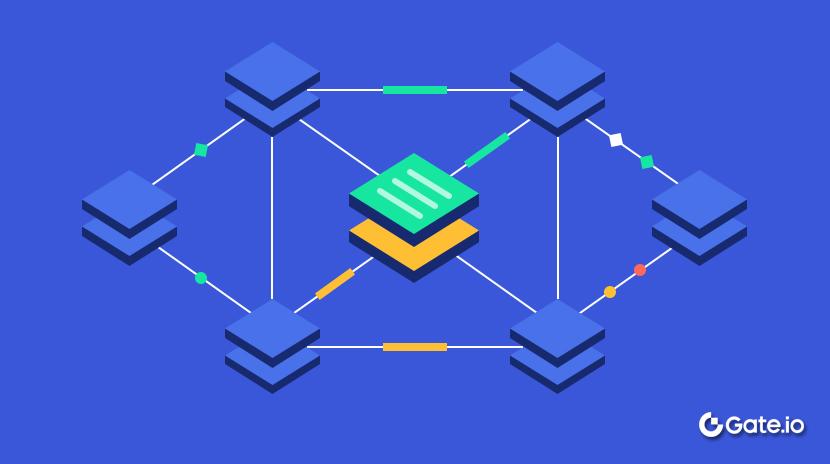
Encryption algorithms, consensus mechanisms, and hash functions are the keys to ensuring the immutability of blockchains.
2026-11-04 07:50:02
A quick overview of what a Cold Wallet is, taking into account its different types and advantages
2026-11-04 07:50:02
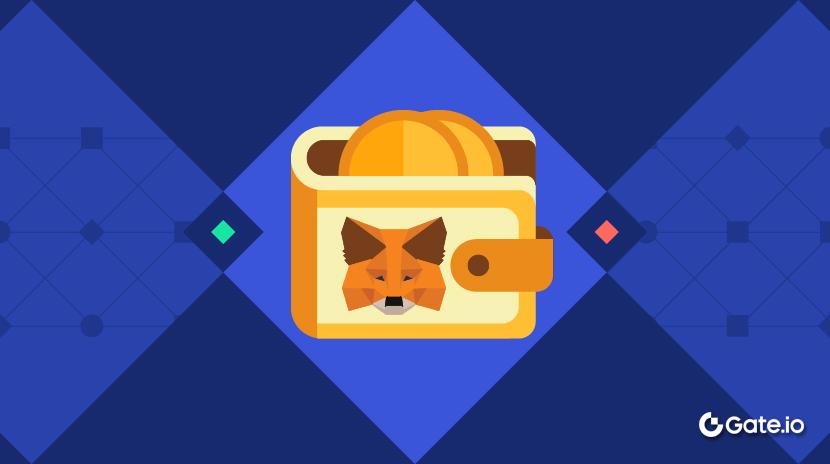
Use MetaMask to interact with Ethereum or other blockchains directly from your browser.
2026-11-04 07:50:02
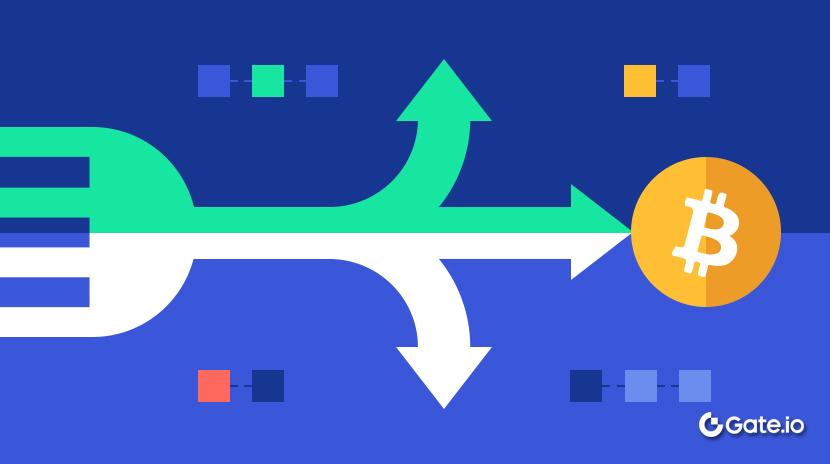
A fork occurs when a change to the protocol is proposed and two distinct groups of nodes follow different sets of rules, creating two separate blockchains.
2026-11-04 07:50:02
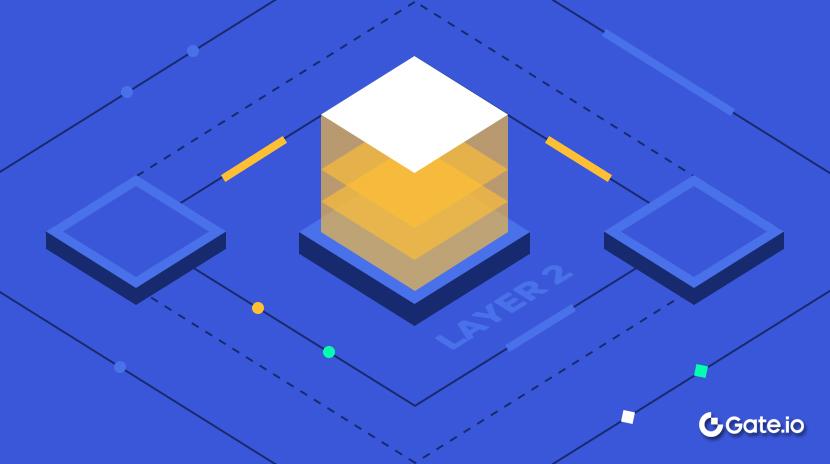
Layer 2 is a protocol built on top of an existing blockchain (layer 1) for increased performance and output. This is achieved without compromising the security of the blockchain. With the rise in the number of users and transactions on layer 1 blockchains like Bitcoin and Ethereum, there is a need for increased throughput without compromising security and decentralization.
2026-11-04 07:50:02
Decentralized software applications that work using blockchain technology.
2026-11-04 07:50:02
A 51% attack occurs when a group or an individual controls more than 50% of a network's computing and creates invalid transactions to steal tokens.
2026-11-04 07:50:02
Proof-of-Stake (PoS) is a consensus mechanism for processing transactions and creating new blocks in a blockchain. In a proof-of-stake blockchain, the staking reward of a validator and the total amount of the staked collateral are often positively related. As each validator attempts to create a block, when a block is selected as a new block, the validator can record the transactions and receive a reward.
2026-11-04 07:50:02
What is PoW? What is mining? Which blockchains use the PoW? Pros and cons of PoW.
2026-11-04 07:50:02
Sharding is a database partitioning technique that helps blockchains build scalability, allowing transactions to be processed in parallel by multiple sharding chains to reduce network congestion and increase transactions per second (TPS).
2026-11-04 07:50:02
The "Messari Theses 2024" report named DeSci one of the top investment trends, indicating industry confidence in this emerging field. DeSci, or Decentralized Science, is a novel research approach addressing traditional scientific challenges such as funding shortages, intense competition, and centralized power. It leverages blockchain technology and Decentralized Autonomous Organizations (DAOs) to enhance research transparency, distribute funds more equitably, and introduce innovative researcher incentives. DeSci is currently applied in healthcare, academic publishing, and data management. Despite security and governance challenges, DeSci is poised to make science more open and fair as Web3 technology advances.
2026-09-01 09:19:45
The key differentiator between Hyperlane, LayerZero, and Wormhole is their security verification approach. Hyperlane enables per-message customizable security through its modular Interchain Security Module (ISM), LayerZero uses a dual-path verification system with Oracle and Relayer, and Wormhole relies on the Guardian network to multi-sign Verified Action Approval (VAA) messages. Hyperlane (HYPER) articulates the complete architecture of its interoperability layer across four dimensions: Mailbox, ISM, Warp Route, and HYPER economic security.
2026-07-03 02:00:33
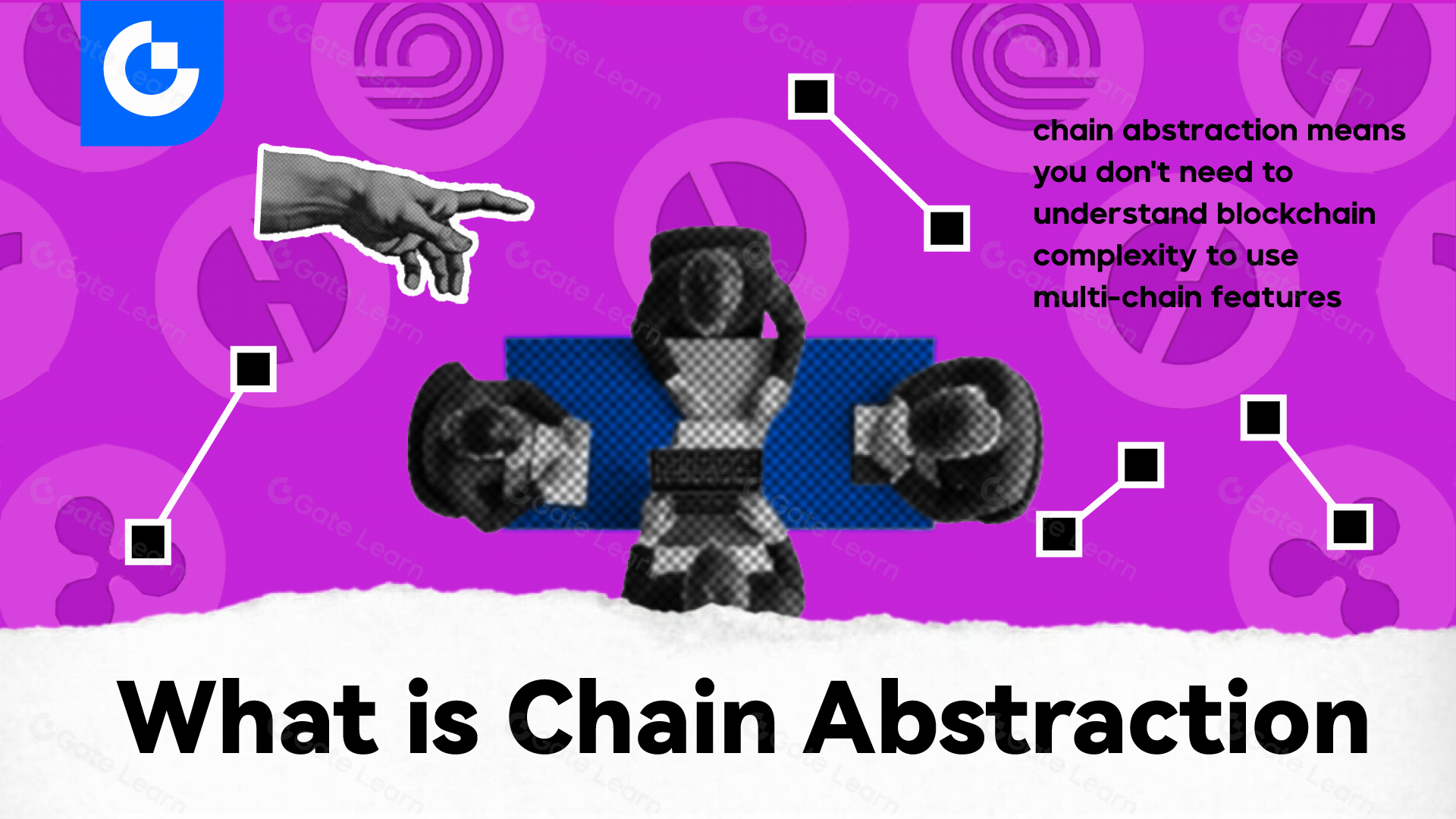
Chain abstraction is a breakthrough Web3 technology that enables seamless multi-chain interaction through a unified middleware layer. Like a universal blockchain translator, it simplifies user experience with account abstraction, cross-chain messaging, and aggregators—paving the way for scalable DeFi, NFTs, and DAO infrastructure, and future AI-powered Web3 adoption.
2026-03-24 11:57:33