Dive deep into the regulatory attitudes and legal frameworks for Bitcoin across various regions worldwide. This article provides a comprehensive overview of cryptocurrency regulations in the United States, United Kingdom, European Union, Asia, Latin America, the Middle East, and Africa. It explores key issues such as financial stability, consumer protection, illicit activities, and taxation.
2026-11-10 07:59:05
When participating in Web3 projects, users often need to click on links and interact with the project team to claim airdrop tokens. However, hackers have set traps along every step of this process, from fake websites to backdoor tools. In this guide, we'll walk you through common airdrop scams and share tips on how to avoid falling victim to them.
2026-11-10 07:58:54
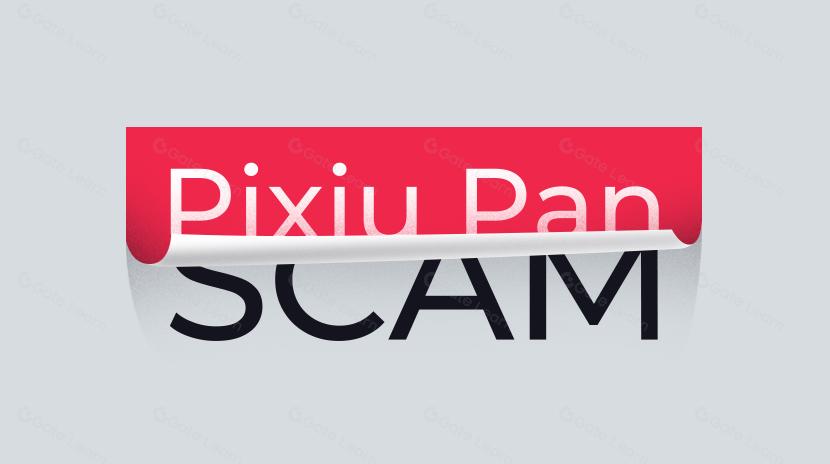
According to legend, Pixiu is a magical creature, and it is said that treasures swallowed cannot be taken out from its body. This image aptly describes the Pixiu Pan scam: after users invest money, the price rises rapidly, triggering follow-up purchases, but ultimately finds that they cannot sell and the funds are locked up. The content of this issue includes the reasons why users fall into Pixiu Pan, typical tricks of Pixiu Pan scam, and corresponding safety suggestions. I hope it can help everyone be more vigilant and avoid pitfalls.
2026-11-10 07:58:54
Fake mining pool scams are aimed at new Web3 users. Scammers take advantage of newcomers' limited knowledge of the crypto market and their eagerness for high returns to trick them into investing money. In this guide, we will explore some common fake mining pool scams and offer security tips to help users steer clear of these traps.
2026-11-10 07:58:53
This article will help you understand the differences between legitimate, regulated crypto platforms and risky, unregulated exchanges. Knowing the red flags can protect your investments from scams and set you up for long-term success in the crypto market.
2026-11-10 07:58:49
The full impact of quantum computing on cryptocurrency is a huge concern for the industry. Once quantum computing is fully developed, it could crack the cryptography behind digital currencies in minutes. If you own crypto, continue reading to learn about the threat of cryptocurrency vs. quantum computing, the future of cryptocurrency and quantum computing, and what you can do to protect yourself.
2026-11-10 07:58:47
Security-style applications are an area of opportunity for crypto because it is one of the few areas where the clients (governments, communities) are willing to pay up in an insurance-style manner (defense happily pays for redundancy much like aviation).
2026-11-10 07:58:46
Crypto scammers are getting more creative every year, with tactics designed to catch even experienced investors off guard. Today’s guide will walk you through some of the biggest crypto scams of 2024. Along the way, you might recognize some of the tactics and methods aforementioned.
2026-11-10 07:58:43
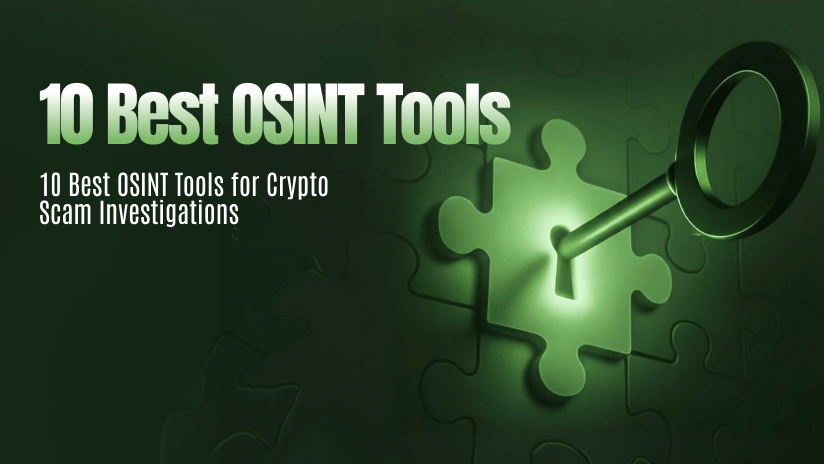
Open-source intelligence (OSINT) tools help investigators collect and analyze publicly accessible information to identify potential cryptocurrency scams, phishing websites, impersonation accounts, and suspicious online infrastructure.
2026-11-10 01:56:50
A blockchain hard fork is the process of modifying a blockchain network’s protocol rules so that upgraded nodes validate blocks and execute transactions according to new consensus rules. Hard forks are typically used for network upgrades, feature adjustments, or technical fixes. In certain circumstances, they may also modify the blockchain’s state to reallocate the asset balances of specific addresses in an attempt to recover stolen digital assets. This approach involves more than just technical feasibility; it also raises questions about network governance, asset ownership, and blockchain immutability.
2026-11-09 10:30:58
Proof of Reserves (PoR) asks whether platform assets are sufficient to cover user assets. Proof of Security (PoSEC) asks whether cold storage can still cover user assets after a total hot-wallet loss. PoR shows whether there are enough assets; PoSEC shows whether they are stored safely—they complement each other and neither replaces the other.
2026-11-09 00:55:23
Proof of Security (PoSEC) discloses how platform assets are stored and uses one metric to answer one question: if all hot wallet assets were lost, could cold storage cover all user assets? Cold storage coverage = cold storage assets ÷ user assets; at or above 100%, cold storage alone can cover all user assets. Proof of Reserves (PoR) shows whether there are enough assets; PoSEC shows whether they are stored safely—they complement each other and neither replaces the other.
2026-11-06 09:13:43
Crypto scam detectors help users identify suspicious websites, malicious tokens, risky smart contracts, and potentially dangerous wallet transactions before interacting with them.
2026-11-06 08:39:08
Eligible users can activate Gate Guard for free on the Gate App or Web after meeting a security score of 80 or above, KYC 2, required security verifications, and a normal account status. Activation starts a 30-day Security Hardening Period—protection is not yet active until the score stays at 80 or above for 30 consecutive days and related conditions are met.
2026-11-05 06:05:55
Gate Guard is Gate’s Account Protection Plan. It addresses direct losses from unauthorized asset transfers out of a Gate account. Eligible users may apply for reimbursement under the Plan Rules; eligibility and amount are subject to Gate’s final review. Gate Guard is not an insurance product and does not constitute an insurance contract, any form of insurance arrangement, or a promise of reimbursement.
2026-11-05 06:05:35